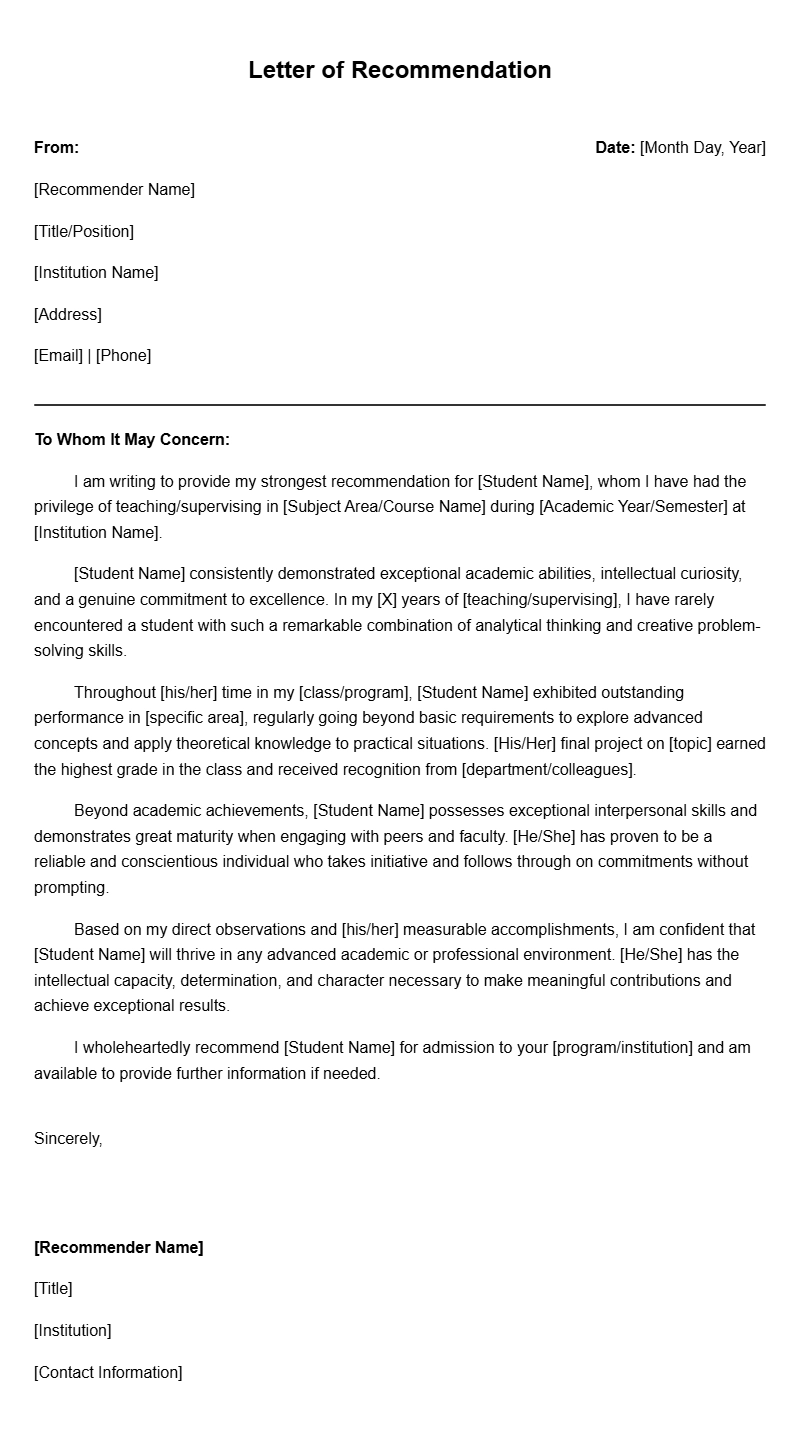
The user wants a deeply useful, SEO-friendly article targeting the keyword “recommendation for student letter templates”. It must sound naturally human, experience-based, and practical. Must use a conversational but professional tone. Avoid filler transitions and generic statements. Should include headings in capitalize case and follow the specified structure. Must include internal links to the given URL list. Output should be only clean HTML fragment suitable for a static HTML page body, starting with a paragraph not a heading. No title, no H1, no markdown fences. Use only tags:
,
,
,
,
,
- , , , , . No extra symbols like —, ***, ##.
We must incorporate the given URL list for internal linking. Use natural anchor text integrated into sentences. Avoid exact keyword anchors. We need to write about recommendation for student letter templates. The article must include:
– Natural introduction focused on user intent.
– Explain what the document/template is.
– When it is used.
– Key components or sections.
– Step-by-step writing guide.
– Examples/templates.
– Common mistakes to avoid.
– Tips for customization.
– Short actionable closing paragraph.
We need to use headings (H2) in capitalize case. The headings likely are something like:
– What Is a Student Letter Template?
– When to Use a Student Letter Template
– Key Components of a Student Letter Template
– How to Write a Student Letter (Step-by-Step)
– Example Templates You Can Edit
– Common Mistakes to Avoid
– Tips for Customizing Your Letter
Each heading must be capitalized case (each major word capitalized). Use H2 tags.
We need to include practical examples and editable template snippets, maybe showing placeholders like [Student Name], [Date], etc.
We must maintain EEAT principles: accuracy, usefulness, trust.
We must optimize for featured snippets and People Also Ask. Could add a short Q&A block using
or
etc.
We should embed internal links using the URL list. The list:
/school-orientation-invitation-letter-samples-letter/
/school-event-approval-letter-samples-letter/
/principal-to-teacher-letter-samples-letter/
/event-invitation-letter-samples-letter/
/information-request-letter-templates-letter/
We need to link to these pages, possibly in relevant sections.
Need to ensure anchor text is natural and not exact keyword. For example, “If you need a basic school orientation invitation, check out our samples of school orientation invitation letters.” That would link to /school-orientation-invitation-letter-samples-letter/. Similarly, “For school event approval letters, see our collection of school event approval letter samples.” linking to /school-event-approval-letter-samples-letter/. “Principal-to-teacher communication examples are available at our principal-to-teacher letter samples.” linking to /principal-to-teacher-letter-samples-letter/. “If you’re planning an event, our event invitation letter samples can help.” linking to /event-invitation-letter-samples-letter/. “For other letter needs, consider using information request letter templates.” linking to /information-request-letter-templates-letter/.
We must avoid exact keyword anchors like “student letter template” because that’s the keyword. So we should not use that as anchor.
Make sure to use text.
We must not use markdown formatting or triple backticks.
We must not use title, no H1.
Start with a paragraph, not heading.
Make the content conversational, practical. Use short paragraphs for readability. Use bullet lists.
Let’s outline:
Paragraph 1: Introduction about need for student letter templates, scenario, user intent.
Then H2: What Is a Student Letter Template?
Explain what it is, purpose, the concept of recommendation for student letter.
Then H2: When to Use a Student Letter Template
Explain scenarios: recommendations for scholarships, college applications, teacher recommendations, etc.
Then H2: Key Components of a Student Letter Template
List key sections: heading, date, recipient info, greeting, opening paragraph, body, closing, signature.
Maybe bullet list.
Then H2: How to Write a Student Letter (Step-by-Step)
Numbered steps.
Step 1: Identify purpose
Step 2: Gather information
Step 3: Choose format
Step 4: Draft opening
Step 5: Write body
Step 6: Add closing
Step 7: Review and edit
Then H2: Example Templates You Can Edit
Include a snippet with placeholders.
Also perhaps show two variations: recommendation letter for college, recommendation letter for scholarship.
We can embed internal links in relevant sections: e.g., “If you also need to draft a school event approval letter, our school event approval letter samples are ready to copy.”
After examples, H2: Common Mistakes to Avoid
Bullet list.
Then H2: Tips for Customizing Your Letter
Bullet list.
Then closing paragraph: call to action, encourage to download template, link to information request letter templates for other uses.
Make sure anchor text is natural.
Now ensure we have HTML tags only. Use
for paragraphs,
for headings,
for subheadings maybe,
- ,
- , , , , . No extra symbols like —, ***, ##.
We must incorporate the given URL list for internal linking. Use natural anchor text integrated into sentences. Avoid exact keyword anchors. We need to write about recommendation for student letter templates. The article must include:
– Natural introduction focused on user intent.
– Explain what the document/template is.
– When it is used.
– Key components or sections.
– Step-by-step writing guide.
– Examples/templates.
– Common mistakes to avoid.
– Tips for customization.
– Short actionable closing paragraph.We need to use headings (H2) in capitalize case. The headings likely are something like:
– What Is a Student Letter Template?
– When to Use a Student Letter Template
– Key Components of a Student Letter Template
– How to Write a Student Letter (Step-by-Step)
– Example Templates You Can Edit
– Common Mistakes to Avoid
– Tips for Customizing Your LetterEach heading must be capitalized case (each major word capitalized). Use H2 tags.
We need to include practical examples and editable template snippets, maybe showing placeholders like [Student Name], [Date], etc.
We must maintain EEAT principles: accuracy, usefulness, trust.
We must optimize for featured snippets and People Also Ask. Could add a short Q&A block using
- or
- etc.
We should embed internal links using the URL list. The list:
/school-orientation-invitation-letter-samples-letter/
/school-event-approval-letter-samples-letter/
/principal-to-teacher-letter-samples-letter/
/event-invitation-letter-samples-letter/
/information-request-letter-templates-letter/We need to link to these pages, possibly in relevant sections.
Need to ensure anchor text is natural and not exact keyword. For example, “If you need a basic school orientation invitation, check out our samples of school orientation invitation letters.” That would link to /school-orientation-invitation-letter-samples-letter/. Similarly, “For school event approval letters, see our collection of school event approval letter samples.” linking to /school-event-approval-letter-samples-letter/. “Principal-to-teacher communication examples are available at our principal-to-teacher letter samples.” linking to /principal-to-teacher-letter-samples-letter/. “If you’re planning an event, our event invitation letter samples can help.” linking to /event-invitation-letter-samples-letter/. “For other letter needs, consider using information request letter templates.” linking to /information-request-letter-templates-letter/.
We must avoid exact keyword anchors like “student letter template” because that’s the keyword. So we should not use that as anchor.
Make sure to use text.
We must not use markdown formatting or triple backticks.
We must not use title, no H1.
Start with a paragraph, not heading.
Make the content conversational, practical. Use short paragraphs for readability. Use bullet lists.
Let’s outline:
Paragraph 1: Introduction about need for student letter templates, scenario, user intent.
Then H2: What Is a Student Letter Template?
Explain what it is, purpose, the concept of recommendation for student letter.
Then H2: When to Use a Student Letter Template
Explain scenarios: recommendations for scholarships, college applications, teacher recommendations, etc.
Then H2: Key Components of a Student Letter Template
List key sections: heading, date, recipient info, greeting, opening paragraph, body, closing, signature.
Maybe bullet list.
Then H2: How to Write a Student Letter (Step-by-Step)
Numbered steps.
Step 1: Identify purpose
Step 2: Gather information
Step 3: Choose format
Step 4: Draft opening
Step 5: Write body
Step 6: Add closing
Step 7: Review and edit
Then H2: Example Templates You Can Edit
Include a snippet with placeholders.
Also perhaps show two variations: recommendation letter for college, recommendation letter for scholarship.
We can embed internal links in relevant sections: e.g., “If you also need to draft a school event approval letter, our school event approval letter samples are ready to copy.”
After examples, H2: Common Mistakes to Avoid
Bullet list.
Then H2: Tips for Customizing Your Letter
Bullet list.
Then closing paragraph: call to action, encourage to download template, link to information request letter templates for other uses.
Make sure anchor text is natural.
Now ensure we have HTML tags only. Use
for paragraphs,
for headings,
for subheadings maybe,
- ,