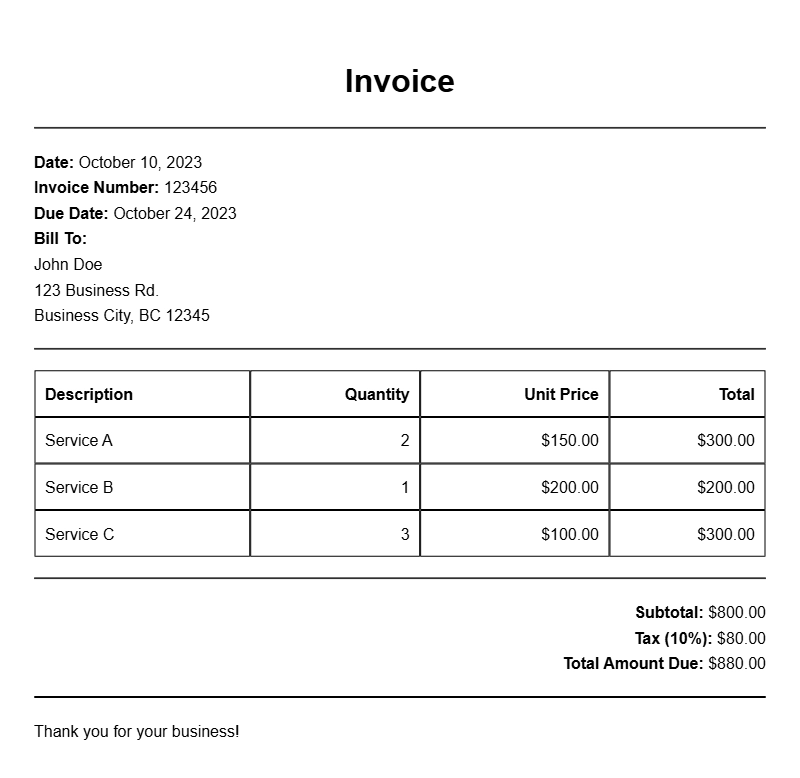
Creating a decorator invoice can simplify the billing process for your clients and help you keep track of your financials. Whether you’re a professional decorator, a freelance designer, or just starting out, having a clear, structured invoice is essential. This guide will walk you through what a decorator invoice looks like, when to use it, and how to effectively write one.
WHAT IS A DECORATOR INVOICE?
A decorator invoice is a document that details the services you’ve provided as a decorator, including any materials used and the total cost. It serves as a formal request for payment from your client. This document not only helps you get paid but also provides a record of the transaction for both you and your client.
WHEN IS IT USED?
You should use a decorator invoice after completing a job, whether it’s a small interior decorating project or a large event setup. It’s also useful for ongoing projects where you bill clients periodically. Having a consistent invoicing process enhances professionalism and helps maintain clear financial records.
KEY COMPONENTS OF A DECORATOR INVOICE
- Your Business Information: Include your name, address, phone number, and email.
- Client Information: Clearly state the client’s name and contact details.
- Invoice Number: Assign a unique number to each invoice for tracking purposes.
- Date of Issue: The date you issue the invoice.
- Description of Services: Detailed breakdown of services rendered.
- Materials Used: List any materials and their costs.
- Total Amount Due: Clearly state the total amount owed.
- Payment Terms: Specify when the payment is due and accepted payment methods.
STEP-BY-STEP WRITING GUIDE
- Start with Your Information: Place your name and contact details at the top.
- Client Details: Next, add the client’s name and contact information.
- Create an Invoice Number: This can be sequential (e.g., 001, 002).
- Date of Issue: Include the date of invoicing.
- Detail Services and Costs: List each service and the corresponding cost in a clear format.
- Add a Summary: Include a subtotal, any taxes, and the total amount due.
- Terms and Payment Methods: Specify payment details clearly at the bottom.
REALISTIC EXAMPLES/TEMPLATES
Here’s a simple template you can adapt:
Your Name
Your Address
Your Phone Number
Your Email
Client Name
Client Address
Invoice Number: 001
Date: [Insert Date]
Description of Services:
– Interior Design Consultation: $200
– Furniture Arrangement: $150
– Material Costs: $100
Subtotal: $450
Tax (10%): $45
Total Amount Due: $495
Payment Terms: Due upon receipt. Accepting checks and PayPal.
COMMON MISTAKES TO AVOID
- Forgetting to include your contact information or the client’s.
- Not numbering invoices, which can lead to confusion.
- Failing to outline payment terms clearly.
- Omitting details about services or materials, which can lead to disputes.
TIPS FOR CUSTOMIZATION
Tailor your invoice to reflect your brand. Use your business’s color scheme and logo. Consider adding a personal touch, like a thank-you note or a brief message about your services. If you regularly work with the same clients, you might even create a standard template that you can adapt for each project.
Creating effective decorator invoices not only aids in getting paid promptly but also enhances your professionalism. With a clear structure and attention to detail, these documents can reflect the quality of your work. For more examples, check out other templates like those for same-day invoices or baby photoshoots.
Document Examples & Template Samples