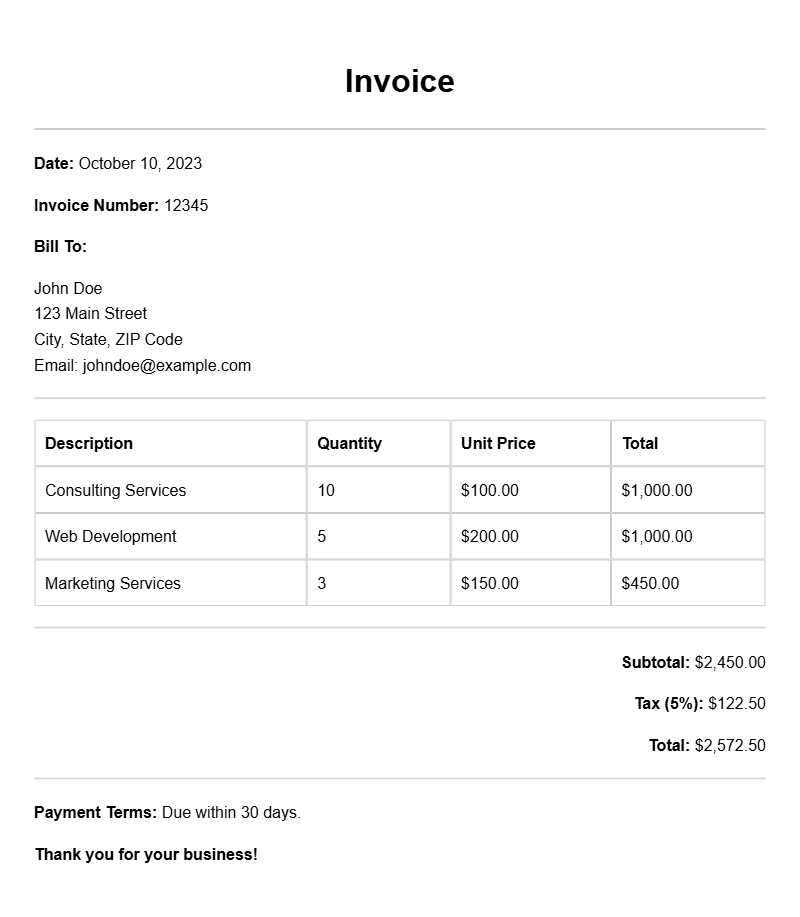
If you’re looking to streamline your billing process, cleaner invoice samples can be incredibly helpful. A well-structured invoice not only looks professional but also ensures you get paid promptly. Whether you’re a freelancer, a small business owner, or managing a larger operation, having a template ready can save you time and frustration. Let’s dive into what a cleaner invoice is, when to use it, and how to create one that works for you.
WHAT IS A CLEANER INVOICE?
A cleaner invoice is a simplified, easy-to-read billing document that clearly outlines the services or products provided, along with their costs. It eliminates any unnecessary clutter, focusing instead on the essentials. This type of invoice is especially beneficial for businesses that want to present a polished image while ensuring that clients understand their charges without confusion.
WHEN TO USE A CLEANER INVOICE
You should use a cleaner invoice whenever you’re billing clients for services or products. This includes:
- Freelance services like graphic design or writing.
- Repair services, such as those offered by plumbers or electricians.
- Event services, like those for a beer festival or a sports tournament.
- Retail transactions, especially for new store openings.
KEY COMPONENTS OF A CLEANER INVOICE
To create an effective invoice, ensure it includes these key components:
- Your business name and contact information: Make it easy for clients to reach you.
- Client’s name and address: Personalizing the invoice adds a professional touch.
- Invoice number: Helps you track payments and provides a reference for clients.
- Date of issue: Indicates when the invoice was created.
- List of services/products: Clearly detail what you are charging for.
- Total amount due: Make sure this stands out for easy visibility.
- Payment terms: Specify when payment is due and accepted methods.
STEP-BY-STEP GUIDE TO WRITING A CLEANER INVOICE
Follow these steps to draft your invoice:
- Choose a template: Start with a clean invoice template that matches your brand.
- Add your business information: Include your logo, name, and contact details at the top.
- Enter client information: Fill in the client’s name and address accurately.
- Provide an invoice number: Use a sequential numbering system to keep track.
- List services/products: Write a brief description of each item, including quantities and rates.
- Calculate total: Clearly display the total amount due, including taxes if applicable.
- Set payment terms: Indicate when payment is due and acceptable payment methods.
EXAMPLES OF CLEANER INVOICE TEMPLATES
Here are some snippets you can customize:
Business Name
Address
Phone Number
Email
Client Name
Client Address
Invoice Number: 001
Date: [Insert Date]
| Description | Quantity | Rate | Total |
|——————-|———-|——-|———|
| Service 1 | 2 | $50 | $100 |
| Product 1 | 1 | $30 | $30 |
|——————-|———-|——-|———|
| Total Due | | | $130 |
Payment Terms: Due upon receipt.
COMMON MISTAKES TO AVOID
When creating invoices, steer clear of these pitfalls:
- Neglecting to double-check client details, which can lead to payment delays.
- Using overly complicated language or formats that confuse the recipient.
- Failing to specify payment terms, leaving clients unsure of when to pay.
TIPS FOR CUSTOMIZATION
To make your invoice stand out, consider these customization tips:
- Add your logo and brand colors to enhance recognition.
- Use a clean font that’s easy to read; avoid overly decorative styles.
- Consider including a personalized note thanking your client for their business.
Ready-to-Use Document Samples