If you’re a copywriter, you know the importance of getting paid on time for your hard work. A well-structured invoice is essential for ensuring you get compensated promptly and professionally. Using copywriter invoice templates can streamline this process, making it easier to bill clients and maintain good relationships. Let’s dive into what these templates are, when to use them, and how to create an effective invoice that suits your needs.
What Is a Copywriter Invoice Template?
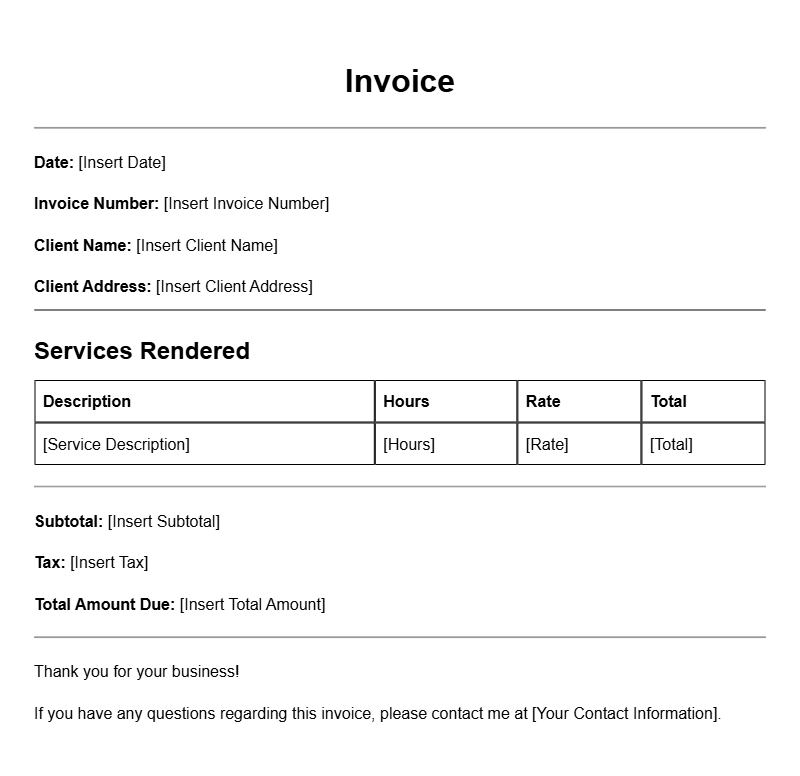
A copywriter invoice template is a pre-designed document that allows you to itemize your services, detail your payment terms, and present a professional image to clients. These templates can be customized to reflect your brand while providing all necessary legal and financial information.
When to Use a Copywriter Invoice Template
You should use a copywriter invoice template every time you complete a project or deliver services to a client. It’s not only a way to request payment but also serves as a record of your work and agreement with the client. Whether you’re a freelancer or part of a larger agency, consistent invoicing helps maintain professionalism.
Key Components of a Copywriter Invoice
- Your Contact Information: Include your name, business name (if applicable), address, email, and phone number.
- Client Details: Add the client’s name and contact details.
- Invoice Number: Assign a unique number for each invoice for easy tracking.
- Date of Issue: Specify when the invoice is generated.
- Due Date: Clearly state when payment is expected.
- Itemized List of Services: Break down your services with descriptions and corresponding rates.
- Total Amount Due: Clearly state the total amount owed.
- Payment Instructions: Include payment methods and details.
Step-by-Step Writing Guide for Your Invoice
- Choose a Template: Start with a copywriter invoice template that you feel reflects your style.
- Fill in Your Details: Insert your contact information and the client’s details.
- Assign an Invoice Number: This helps you keep track of payments and documents.
- List Your Services: Be clear and concise. For example, “Website copywriting for XYZ project – $500.”
- Add the Total: Sum up the services provided.
- Specify Payment Terms: Indicate when you expect payment and any late fees.
- Proofread: Check for errors before sending it out.
Realistic Invoice Example
Here’s a simple snippet to illustrate the layout of your invoice:
Your Name
Your Address
Your Email
Your Phone Number
Client Name
Client Address
Invoice #001
Date: [Insert Date]
Due Date: [Insert Due Date]
Description | Amount
————————————————-
Website Copywriting | $500
Blog Posts (5) | $300
Editing Services | $200
————————————————-
Total Amount Due | $1000
Payment Instructions: Please make payment via bank transfer to [Your Bank Details].
Common Mistakes to Avoid
- Missing Details: Always double-check that you haven’t left out any essential information.
- Unclear Payment Terms: Be specific about when and how you expect to be paid.
- Forgetting to Follow Up: If payment isn’t received by the due date, a gentle reminder can go a long way.
Tips for Customization
Make your invoice stand out by customizing your template:
- Use your brand colors and logo to create a cohesive look.
- Add a personal touch by including a thank-you note to your clients.
- Adjust the layout to suit your style, but keep it professional and easy to read.
Utilizing copywriter invoice templates can save you time and help you maintain a professional image. By customizing your invoices and ensuring all critical information is included, you can make the billing process smoother for both you and your clients. For more resources, check out invoice templates for professionals like branding consultants, vocal coaches, and teachers. Happy invoicing!
Document Examples & Template Samples